top of page
Forest Trees

blog

In today's busy world, the presence of wildlife offers an escape from everyday stresses that crowd our lives. Just the sight of a little bird perched on a tree or a deer quietly grazing in a meadow can instantly elevate our mood. This post explores the positive effects of engaging with wildlife—whether in nature or through wildlife art—on both our emotions and mental well-being.


The Joy of Wildlife Encounters


Encountering wildlife brings a unique sense of awe and wonder. Research indicates that spending time in nature can lower cortisol levels—our body’s stress hormone—by up to 20%. Simply observing animals in their natural habitats, like seeing a bird-of-pray soar overhead, can trigger feelings of awe, joy and contentment.


Connecting with nature can also help us to feel grounded. One study even found that simply viewing images of animals can increase feelings of happiness by 55%! The certainly resonates with me and my own personal experiences of connecting with wildlife. Animal encounters not only remind us of life’s beauty and variety but also allow us to step back from our hectic routines.


Eye-level view of a majestic eagle soaring through a clear blue sky
A majestic stag in the Scottish Highlands

The Emotional Connection with Animals


Our relationships with animals are also often filled with cherished memories which deeply affect our emotions. I'd say that robins in particular, evoke fond memories and even connections with loved ones who have passed away. Perhaps they help us to know that we've not been left alone after all and give us a sense of comfort and hope? Such connections exemplify loyalty, love, and comfort, especially during tough times. Its no surprise therefore that robins are my best selling paintings!


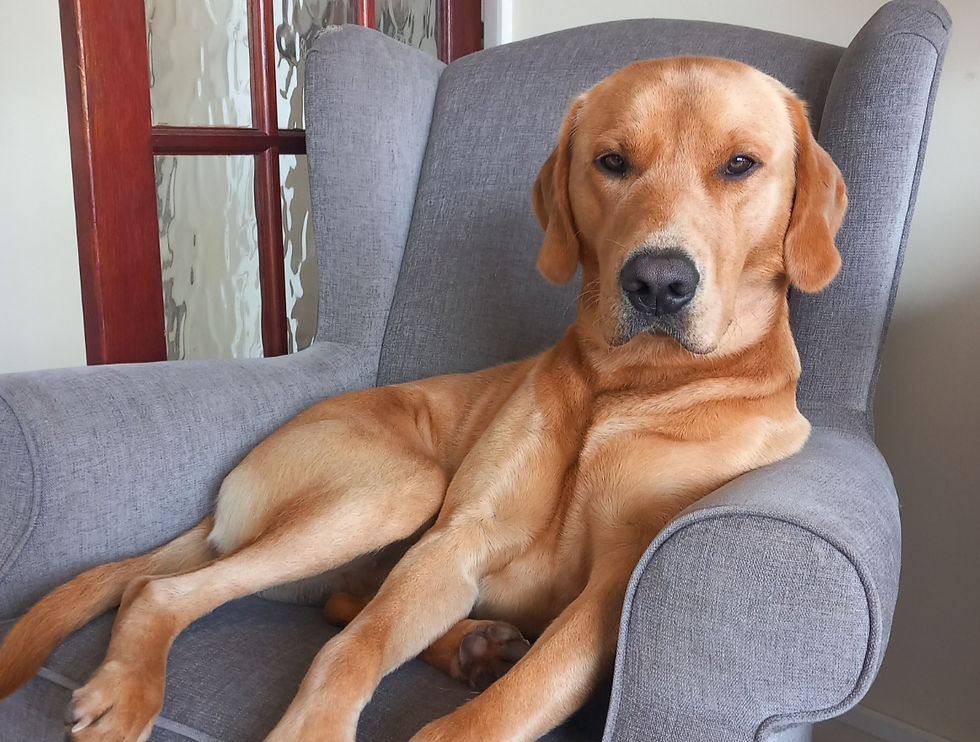
And likewise, with our beloved pets, just seeing a furry friend can bring back fond memories and make us feel warm inside. If you've seen me at my market stall you will have met my beloved dog Bo.... he has such a positive impact of the people he meets. So many people walk away saying that "he's made their day".

Close-up view of a colorful parrot perched on a branch
My very handsome dog - Bo

The Impact of wildlife Art on Our Emotions


Wildlife art also possesses a remarkable ability to tap into our feelings and emotions. And, from time-to-time, people first see my animal paintings at markets, I'll notice their expressions shift— they're faces light up with happiness when they see a table full of animals. This reaction shows how powerful visual art can be and is one of the reasons that I do what I do... I love to see people light up.


Artwork allows us to bring the essence of wildlife into our homes. A recent survey revealed that 68% of people felt happier when surrounded by images of animals. Whether it’s a vibrant painting of a butterfly, some of your favourite garden birds or a majestic stag, these pieces often create a sense of connection to nature, even if we are inside.


Celebrating the Healing Power of Animals


The healing influence of animals, whether through direct encounters or artistic representations, is profound. Wildlife can inspire feelings of joy and awe that significantly boost our mood. The emotional ties we share with animals can uplift us, reminding us of cherished memories and providing solace in difficult times.


As an artist, I feel grateful for the smiles my animal artworks bring to people. It’s a powerful reminder of how much wildlife enriches our lives. So, whether you’re engaging with nature, exploring an art exhibit, or simply admiring a beautiful painting, take a moment to reflect on the healing abilities of animals. Embrace the joy they offer and let it uplift your spirit.


Let us honor the beauty of wildlife and the art that reflects it, recognizing their remarkable power to heal and inspire us in ways we often overlook.

ree

Selling at markets has been a crucial part of of my journey as a wildlife artist. I've been doing markets and selling my wildlife art on wood for seven months now and its been essential to establishing myself as an local artist selling hand-painted wildlife art in the local area.


Setting up a market stall, and putting your artwork "out-there" offers an opportunity to showcase your creativity, engage with new and potential customers, and generate income. This endeavor, however comes with its fair share of highs and lows, from dealing with unhelpful comments and criticism, disappointments of "bad" market-days to the fun of meeting new people, learning from other stall-holders and of-course, the exhilaration of a good day at market.


Setting up a Market Stall


Setting up a market stall is akin to creating a mini art gallery; it's where we artists can bring our creations to life and invite the general public to immerse themselves in their work. A well-curated stall can captivate passersby and turn them into potential customers.


Tips for setting up a successful market stall:


  • Display: Ensure your artwork is prominently displayed to catch the eye of potential buyers.

  • Lighting: Ensure your stall is well-lit, particularly in winter-months. A well-lit stall will attract people to your stall

  • Variety: Showcase a variety of pieces to cater to different tastes and affordability. I showcase a variety of hand-painted art on wood, in varying shapes and sizes.

  • Branding: Incorporate your unique style and personality into the stall to create a memorable experience for customers. Make sure you have a sign with your branding on show.

  • Engagement: Interact with visitors, share insights about your work, and be open to answering questions.


Artist Market Setup

Dealing with Disappointment and Set-backs


As with any entrepreneurial pursuit, setbacks are inevitable. From slow sales (or even no sales) to unfavorable weather conditions and the criticism of passers-by, artists must navigate through disappointment and stay resilient in the face of adversity. I can honestly say that the benefits and positives of market-trading have outweighed the negatives but its been important to not let the disappointments and criticisms knock me down.


Strategies for overcoming disappointments:


  • Positive Mindset: Focus on your passion for art and the joy it brings to you rather than solely on sales figures.

  • Believe in Yourself: You need to know that you can do this and to keep-going even when you have a bad, day or bad few months. There are people out there who will like what you do!

  • Adaptability: Be flexible in your approach; try new display techniques or pricing strategies. We are always learning and growing as artists... be open to new ideas and suggestions from other traders.

  • Learning Opportunity: View setbacks as valuable lessons that can guide your future decisions and improvements.

  • Support System: Seek advice and encouragement from fellow artists, creators or traders to stay motivated and keep moving forward.


ree

Getting Out There and Selling


Getting out there and actively selling your artwork is a crucial step towards building a successful presence. Embracing the art of selling not only boosts your income but also allows you to connect with a diverse audience and receive valuable feedback.


Ways to enhance your selling prowess:


  • Storytelling: Share the inspirations and stories behind your pieces to create an emotional connection with customers.

  • Networking: Part of the beauty of attending markets is that you get to meet so many other artists, creatives and traders. Its great to be part of a community where you can encourage one-another and gain invaluable advice from those who have already walked-the-walk.

  • Online Presence: Utilize social media platforms and online marketplaces to showcase your work and reach a broader audience.

  • Feedback Loop: Listen to customer feedback, adapt based on their preferences, and continuously evolve your artistic practice.


In conclusion, selling at markets as an artist can be an important part of establishing yourself. It requires confidence, creativity, business acumen, and resilience. By setting up an engaging stall, persevering through setbacks, and actively selling your artwork, you CAN find success at local markets. My advice to any artisan stating out would be to go-for it. Believe in yourself and your product. You can do it!

I stumbled across the following quote by Sir Ian McKellen this week and I absolutely love it:


"Do art and do it for the rest of your life (...). Don't do it for the money or fame but to experience becoming, to find what's inside you, to make your soul grow"


ree

I'm a huge advocate of using creativity (in all its forms) to help one's own soul. And I can speak from personal experience, that there is something significant in the creative process which can facilitate us growing as a humans being and becoming who we truely are.


I'm coming to understand myself that there is an intrinsic link between being able to fully express oneself and becoming one's true self. And I've been wondering... if its true that creativity (as a means of expression) can help to restore one's sense of self, then is it the stifling of expression that causes us to lose oneself in the first place?


It's really important that we are allowed to express ourselves and to be ourselves. Over the years I've used all forms of creativity to help with expression, from art (of course), to poetry and dance. And I'm coming to realise what an important part this has played in me becoming me. Like Sir Ian McKellen said, it really does "make your soul grow". And I would encourage every person to get creative... whether its with words, art, craft, dance or drama... do what you connect with and start the process of discovering and becoming who you truely are.


ree

©2023 by Gina Linnell Art. Proudly created with Wix.com

bottom of page